
Servant of christ
Willful Sin
Introduction
Willful Sin and the Race of Faith
In an age that often excuses sin as mere human weakness, this essay confronts the serious biblical reality of willful sin and its profound implications for every individual. It explores humanity’s fallen nature, God’s sovereign drawing by the Holy Spirit, and the urgent call to surrender to Christ as Lord and Savior as we run the race of faith described in Hebrews 12:1-2. Through clear Scripture teaching, it distinguishes between sins of weakness and deliberate, persistent sin after receiving the knowledge of the truth — especially as warned in Hebrews 10:26-27. The message is both sobering and hopeful: while willful sin hardens the heart and risks disqualification from finishing the race, those who heed the Holy Spirit, yield their will to Christ, and persevere by faith will receive the crown of eternal life. This study offers a powerful reminder that true salvation belongs to those who finish the race.
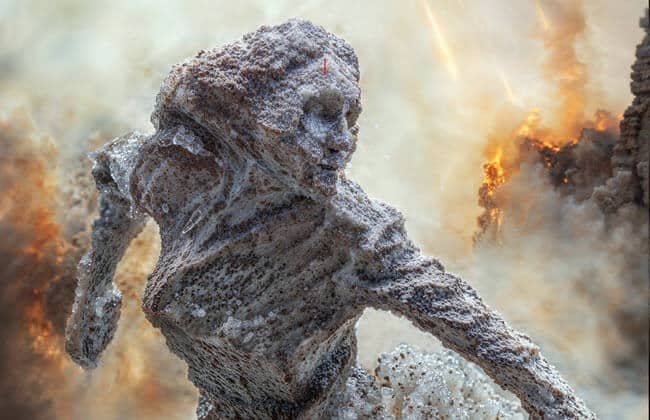
The True Nature of Sin:
Lawlessness, Death, and the Need for Grace
Sin, according to Scripture, is far more than individual bad actions — it is a profound spiritual reality rooted in rebellion against God’s authority and will.
The clearest definition comes from 1 John 3:4: “Everyone who sins breaks the law; in fact, sin is lawlessness.” This means sin is any violation of God’s holy law, whether in thought, word, or deed. The Bible also describes it as “missing the mark” of God’s perfect standard (Romans 3:23 — “for all have sinned and fall short of the glory of God”). Sin includes not only what we do wrong (sins of commission), but also what we fail to do right (James 4:17 — “If anyone knows the good they ought to do and doesn’t do it, it is sin for them”).
At a deeper level, sin is a condition of the human heart, not just external behavior. Jeremiah 17:9 says, “The heart is deceitful above all things and beyond cure. Who can understand it?” Jesus reinforced this when He taught that evil actions flow from an evil heart (Matthew 15:19). Because of Adam’s original sin, this fallen nature was passed down to all humanity (Romans 5:12 — “sin entered the world through one man, and death through sin, and in this way death came to all people”). This explains why sin is universal and why even our “best” efforts are tainted.
Ultimately, sin is serious because it separates us from God and brings spiritual death (Romans 6:23 — “the wages of sin is death”). Yet the same verse immediately points to hope: “but the gift of God is eternal life in Christ Jesus our Lord.” Sin is not the end of the story — redemption by winning the race is.

Drawn by God:
Running the Race of Faith
In the depths of our lost and helpless condition—dead in trespasses and sins—God extends a gracious and powerful drawing toward Himself. Jesus declared, “No one can come to me unless the Father who sent me draws them” (John 6:44). This divine drawing is not passive, but the sovereign initiative of a loving God. By the power of His Holy Spirit, He awakens the human heart, stirring it from spiritual slumber, convicting of sin, and enabling the first steps of faith by imparting a measure of faith (Romans 12:3).
Scripture portrays this journey as the beginning of a cross-country endurance race—one filled with both sunlit peaks and shadowed valleys. It demands focus, discipline, endurance, and wholehearted perseverance. The writer of Hebrews exhorts us:
“Therefore, since we are surrounded by such a great cloud of witnesses, let us throw off everything that hinders and the sin that so easily entangles. And let us run with perseverance the race marked out for us, fixing our eyes on Jesus, the pioneer and perfecter of faith” (Hebrews 12:1-2).
This race is profoundly personal; its length and difficulty are shaped by each soul’s response to God’s drawing. For some, the race is short and decisive—swift surrender to Christ as Lord and Savior brings them across the finish line in triumph. For others, it becomes a long and winding journey marked by years of gradual yielding, repeated resistance, or painful seasons of unbelief. Tragically, many never finish. Through persistent refusal, hardened unbelief, or final denial of Christ, they bring their race to a premature close—forever separated from the presence of God.
If we die physically before crossing the finish line—before truly winning the race of faith through persevering surrender to Christ—then we remain spiritually dead forever, absent from the presence of God. Willful, persistent sin after receiving the knowledge of the truth hardens the heart and leads to disqualification. As Hebrews 10:26-27 warns, “If we deliberately keep on sinning after we have received the knowledge of the truth, no sacrifice for sins is left, but only a fearful expectation of judgment and of raging fire that will consume the enemies of God.” True salvation belongs only to those who finish the race. This sobering reality calls us today to throw off every sin that entangles, fix our eyes on Jesus, the pioneer and perfecter of faith (Hebrews 12:2), and run with perseverance—so that we may receive the crown of righteousness.
Yet in the end, victory is not measured by how fast or how flawlessly we run. The race is won by simply accepting God’s gift of grace through faith in Jesus Christ. As the Apostle Paul declared about his own race:

The Danger of Willful Sin:
A Threat to Finishing the Race
Willful sin poses a direct threat to successfully completing this race. Unlike sins of ignorance or weakness—against which believers find mercy through confession, and the advocacy of Christ (1 John 2:1)—willful, deliberate, and persistent sin represents a conscious choice to turn away from God’s known will. The book of Hebrews issues a sobering warning: “If we deliberately keep on sinning after we have received the knowledge of the truth, no sacrifice for sins is left, but only a fearful expectation of judgment and of raging fire that will consume the enemies of God” (Hebrews 10:26-27). Willful sin entangles the runner, weighs down the soul, dulls spiritual sensitivity, and eventually leads the heart to harden. It distracts the eyes from Jesus and fixes them instead on temporary pleasures or self-justification. Like a marathon runner who repeatedly steps off the course to indulge in distractions, the one who clings to willful sin risks disqualification—not because God is eager to reject, but because persistent rebellion reveals a heart that ultimately does not value the prize. It severs the vital fellowship with God necessary for endurance.

Free Will, Willful Apostasy,
and Perseverance in the Race of Faith
Upon receiving God’s gracious drawing and coming to a clear knowledge of the truth, if a person deliberately and persistently continues in willful sin—thereby rejecting Christ—no sacrifice for sins remains, but only a fearful expectation of judgment (Hebrews 10:26-31). In this sense, abandoning “the race of faith” described in Hebrews 12:1-2 is not an accidental slip, but a conscious, willful decision. It is a deliberate rejection of God’s gift of grace, resulting in the loss of the prize reserved only for those who finish the race.
Prior to salvation, we were dead in trespasses and sins. In that lost and helpless state, the Holy Spirit convicts the world of sin, righteousness, and judgment (John 16:8). He draws people to the Father (John 6:44) and woos the heart with prevenient grace, imparting to each person a measure of faith (Romans 12:3) that enables a genuine response without coercing the human will. As Jesus said, “If anyone hears my voice and opens the door, I will come in and eat with that person, and they with me” (Revelation 3:20). God therefore calls every person to freely choose: “Choose this day whom you will serve” (Joshua 24:15), for “whoever believes in him shall not perish but have eternal life” (John 3:16).
When a person responds in faith and wins the race by receiving God’s gift of salvation, they are truly saved. They become a “new creation” (2 Corinthians 5:17). The old self is crucified with Christ—its guilt forgiven, its sinful nature cleansed, and its dominating power broken. At that moment of new birth, the believer passes permanently from spiritual death into eternal life. Once reborn—having already been spiritually dead—they cannot die a second time. This new birth is not a temporary experience but a permanent spiritual reality brought about by the Holy Spirit. Jesus declared, “Very truly I tell you, no one can see the kingdom of God unless they are born again” (John 3:3). The old has gone; the new has come.
From that point forward, the lifelong process of sanctification begins, as the Holy Spirit works within the believer to progressively conform them to the image of Christ. As Paul wrote, “And we all, who with unveiled faces contemplate the Lord’s glory, are being transformed into his image with ever-increasing glory, which comes from the Lord, who is the Spirit” (2 Corinthians 3:18).
Scripture, therefore, presents both solemn warning and unshakable assurance. Hebrews 10:26-31 stands as a serious caution even for those who have entered the race of faith, urging perseverance to the end. At the same time, the promises of the new birth affirm the eternal security of those who are genuinely born again. Those who truly belong to Christ are kept by His power and will finish the race, for the life He imparts is eternal as versed –
“My sheep listen to my voice… I give them eternal life, and they shall never perish; no one will snatch them out of my hand” (John 10:27-29).
Nothing “in all creation will be able to separate us from the love of God that is in Christ Jesus our Lord” (Romans 8:38-39).
Believers are “sealed with the promised Holy Spirit, who is a deposit guaranteeing our inheritance” (Ephesians 1:13-14).
“Whoever hears my word and believes him who sent me has eternal life and will not be judged but has crossed over from death to life” (John 5:24).
Perseverance of the Saints
According to the perseverance of the saints, this new spiritual reality is irreversible. A genuine new creation cannot be undone. God Himself preserves and keeps that person victorious in the race through the lifelong process of sanctification, convicting one of sin and leading to repentance. As the Apostle Paul declared: “He who began a good work in you will carry it on to completion until the day of Christ Jesus” (Philippians 1:6).
This glorious truth finds powerful expression in Paul’s victorious declaration near the end of his life:
“I have fought the good fight, I have finished the race, I have kept the faith. Now there is in store for me the crown of righteousness, which the Lord, the righteous Judge, will award to me on that day—and not only to me, but also to all who have longed for his appearing.” (2 Timothy 4:7-8)