
Servant of christ
The Parable of
the Ten Virgins
Prologue:
The Parable of the Ten Virgins
In a world of distractions and spiritual complacency, the Olivet Discourse (Matthew 24–25) stands as one of Jesus’ most urgent and comprehensive teachings on the end times, the signs of His coming, and the absolute necessity of spiritual readiness. Delivered on the Mount of Olives, these chapters warn of coming tribulation, false Christs, cosmic disturbances, and the sudden, unexpected return of the Son of Man—like a thief in the night—calling every generation to vigilance and faithful endurance. The Parable of the Ten Virgins serves as a striking illustration of these truths, highlighting the tragic difference between outward profession and genuine preparedness. Jesus concludes this powerful section with sobering clarity: “Watch therefore, for you know neither the day nor the hour” (Matthew 25:13). May this exposition open hearts to the full weight of the Olivet Discourse, awakening believers to true readiness so that we may enter with joy when the Bridegroom appears.
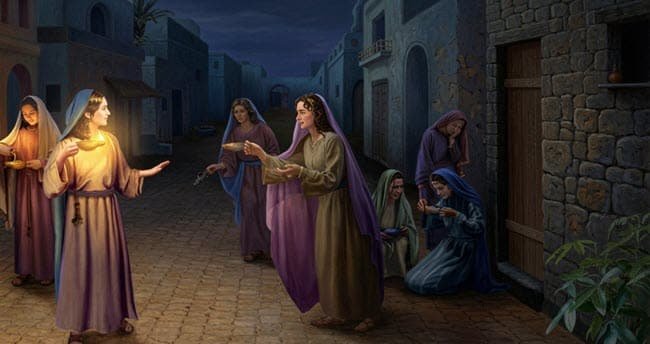
The Parable of the Ten Virgins (Matthew 25:1-13) stands as one of our Lord’s most sobering warnings about the absolute necessity of being genuinely prepared for Christ Jesus’ return. “Then the kingdom of heaven will be like ten virgins who took their lamps and went to meet the bridegroom” (Matthew 25:1). All ten presented an outward appearance of readiness and virtue while waiting for the bridegroom’s arrival. Yet only five were wise.
John 6:44 reminds us that “No one can come to me unless the Father who sent me draws him.” God’s drawing begins by giving every person a measure of faith (Romans 12:3). This initial grace invites each individual into the Race of Faith (Hebrews 12:1-2), where we must choose to accept or deny God’s gift of salvation through grace.
In the parable, all ten virgins had entered the race—they all had lamps and some oil, symbolizing an initial portion of faith and the common grace extended to those who enter the Race of Faith. But only the five wise virgins finished the race. They had surrendered to Christ Jesus, as Lord and Savior, as evidenced by their extra vessels of oil and lamps burning brightly with the glory of God. The oil represents the indwelling Holy Spirit and a genuine, abiding relationship with Christ (see also 2 Corinthians 1:21-22; Ephesians 1:13-14; Romans 8:9).
The five foolish virgins, though they began well, exhausted their initial portion of oil through persistent refusal and hardened unbelief. When the cry rang out at midnight, and the bridegroom arrived, their lamps were going out. In panic, they tried to buy more oil, but it was too late. While they were away, “the bridegroom came, and those who were ready went in with him to the marriage feast, and the door was shut” (Matthew 25:10). The others came later, pleading, “Lord, Lord, open to us,” only to hear the devastating reply: “Truly, I say to you, I do not know you” (Matthew 25:11-12).
Jesus deliberately chose the image of virgins—pure and outwardly respectable young women—to drive home a piercing truth: no amount of moral conduct, religious appearance, or external virtue can carry anyone across the finish line. Many will say to Him on that day, “Lord, Lord, did we not prophesy in your name, and cast out demons, and do many mighty works?”—yet He will declare, “I never knew you; depart from me, you workers of lawlessness” (Matthew 7:22-23). Outward profession without inward surrender and perseverance in faith is not enough.
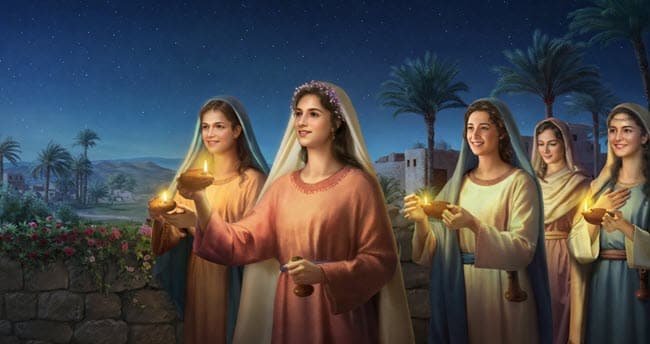
Therefore, the urgent warning of the parable is this:
“Watch therefore, for you know neither the day nor the hour” (Matthew 25:13). True readiness requires surrender to Christ Jesus as Lord and Savior—receiving and walking in the fullness of the Holy Spirit, abiding in Him, and enduring to the end (Matthew 24:13; John 15:4-6; Hebrews 3:6, 3:14; 1 John 2:19).