
Where Is Jesus in the Old Testament?
Foreward
Christ Jesus in the Old Testament
The Old Testament does not name Jesus of Nazareth, yet from its earliest chapters it points forward to a coming Redeemer who is the eternal Son of God. Jesus Himself taught that the Scriptures testify about Him (John 5:39) and that Moses and the Prophets wrote of Him (Luke 24:27, 44). The following focuses on four areas: references to Jesus through types and shadows, promises of the Messiah, a close examination of Isaiah 52, and a survey of the major messianic prophecies. All of these find their fulfillment in Jesus Christ, the Son of God—not a created being or messenger, but the One who is superior to the angels (Hebrews 1:1–14).
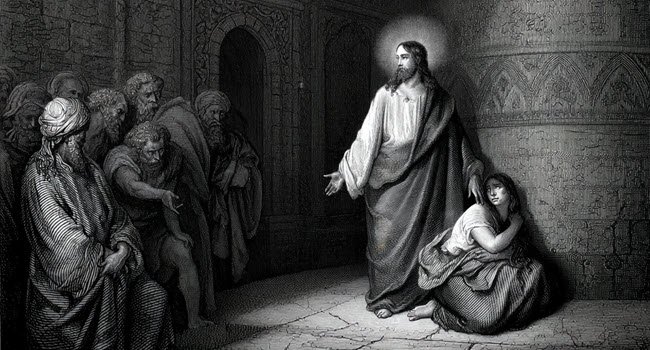
1. References of Jesus: Types and Shadows in the Old Testament
Scripture presents historical persons, events, and institutions that prefigure the person and work of Jesus. These are called types. The New Testament itself identifies several of them and shows how they find their reality in Christ.
Personal types
- Adam: The first man and federal head of the human race. “Nevertheless, death reigned from the time of Adam to the time of Moses, even over those who did not sin by breaking a command, as did Adam, who is a pattern of the one to come” (Romans 5:14). Paul contrasts the first Adam, through whom sin and death entered, with the last Adam: “For as in Adam all die, so in Christ all will be made alive… The first man Adam became a living being; the last Adam, a life-giving spirit” (1 Corinthians 15:22, 45).
- Melchizedek: King of Salem and priest of God Most High who blessed Abraham and received a tenth from him (Genesis 14:18–20). Psalm 110:4 declares, “The Lord has sworn and will not change his mind: ‘You are a priest forever, in the order of Melchizedek.’” The letter to the Hebrews develops this at length: Jesus is the eternal High Priest after this order—both king and priest, without beginning or end of days recorded, and superior to the Levitical priesthood (Hebrews 5:5–10; 6:20; 7:1–28).
- Isaac: The beloved son whom Abraham was commanded to offer (Genesis 22). Abraham’s willingness and the provision of a substitute ram foreshadow the Father’s offering of His own Son and the substitutionary nature of the cross. The New Testament later notes that Abraham “reasoned that God could even raise the dead, and so in a manner of speaking he did receive Isaac back from death” (Hebrews 11:19).
- Joseph: Rejected by his brothers, sold into slavery, falsely accused, imprisoned, then exalted to the right hand of power and used by God to save many lives (Genesis 37–50). His life prefigures the rejected, suffering, and exalted Messiah who becomes the Savior of the world.
- Moses: Prophet, mediator, and deliverer. God promised, “The Lord your God will raise up for you a prophet like me from among you, from your fellow Israelites. You must listen to him” (Deuteronomy 18:15). Peter applies this directly to Jesus: “For Moses said, ‘The Lord your God will raise up for you a prophet like me from among your own people; you must listen to everything he tells you’” (Acts 3:22; see also Hebrews 3:1–6).
- David: The shepherd-king to whom God promised an everlasting throne: “Your house and your kingdom will endure forever before me; your throne will be established forever” (2 Samuel 7:16). Jesus is repeatedly called the Son of David, the One who inherits and fulfills that eternal kingship (Luke 1:32–33; Matthew 22:41–45).
Event and institutional types
- The Passover lamb: A spotless lamb whose blood protected Israel from the destroyer (Exodus 12). Paul writes, “For Christ, our Passover lamb, has been sacrificed” (1 Corinthians 5:7). John the Baptist pointed to Jesus: “Look, the Lamb of God, who takes away the sin of the world!” (John 1:29).
- The bronze serpent: Lifted up so that those who looked at it lived (Numbers 21:8–9). Jesus applied this to Himself: “Just as Moses lifted up the snake in the wilderness, so the Son of Man must be lifted up, that everyone who believes may have eternal life in him” (John 3:14–15).
- The rock in the wilderness: Water flowed from the rock for the people (Exodus 17; Numbers 20). Paul states, “They all drank the same spiritual drink; for they drank from the spiritual rock that accompanied them, and that rock was Christ” (1 Corinthians 10:4).
- The tabernacle, priesthood, and sacrifices: These were “a copy and shadow of what is in heaven” (Hebrews 8:5). The high priest’s annual entrance into the Most Holy Place with blood (Leviticus 16) prefigured Christ’s once-for-all sacrifice and His ongoing ministry in the true heavenly sanctuary (Hebrews 9–10).
These types are not allegories forced onto the text; they are patterns established by the divine Author of Scripture and confirmed by the New Testament writers.
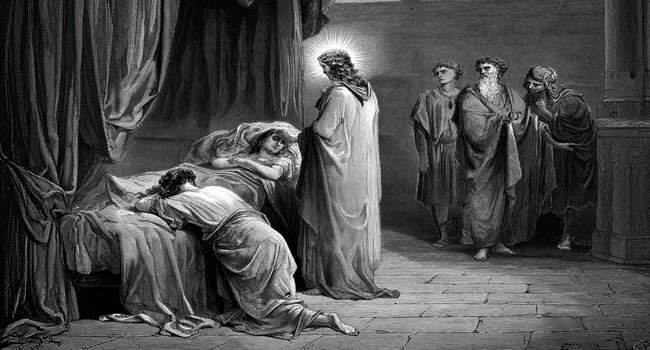
2. Promises of the Messiah
The promise of a coming Deliverer begins immediately after the Fall and is progressively narrowed and clarified.
- Genesis 3:15 (the protoevangelium): “And I will put enmity between you and the woman, and between your offspring and hers; he will crush your head, and you will strike his heel.” From the earliest pages of Scripture a human descendant of the woman is promised who will ultimately defeat the serpent, though at cost to Himself. The New Testament sees this fulfilled in Christ’s victory over the devil (Hebrews 2:14; 1 John 3:8).
- The Abrahamic promise: “I will bless those who bless you… and all peoples on earth will be blessed through you” (Genesis 12:3). Later God specifies, “Through your offspring all nations on earth will be blessed” (Genesis 22:18). Paul identifies this “offspring” (singular) as Christ: “The promises were spoken to Abraham and to his seed. Scripture does not say ‘and to seeds,’ meaning many people, but ‘and to your seed,’ meaning one person, who is Christ” (Galatians 3:16; see also Galatians 3:8).
- The scepter of Judah: “The scepter will not depart from Judah, nor the ruler’s staff from between his feet, until he to whom it belongs shall come and the obedience of the nations shall be his” (Genesis 49:10).
- The Davidic covenant: God promised David an eternal dynasty and throne (2 Samuel 7:12–16). This becomes the foundation of messianic expectation: a king from David’s line who will reign forever. The prophets repeatedly return to this promise (Isaiah 9:6–7; 11:1–10; Jeremiah 23:5–6; 33:14–17; Ezekiel 34:23–24; 37:24–25).
- A new covenant: “The days are coming… when I will make a new covenant with the people of Israel… I will forgive their wickedness and will remember their sins no more” (Jeremiah 31:31–34). Jesus inaugurated this new covenant in His blood (Luke 22:20; Hebrews 8:6–13).
These promises create an unbroken line of expectation: a royal, priestly, suffering, and victorious Deliverer who is both human and more than human —divine: the Son of God.
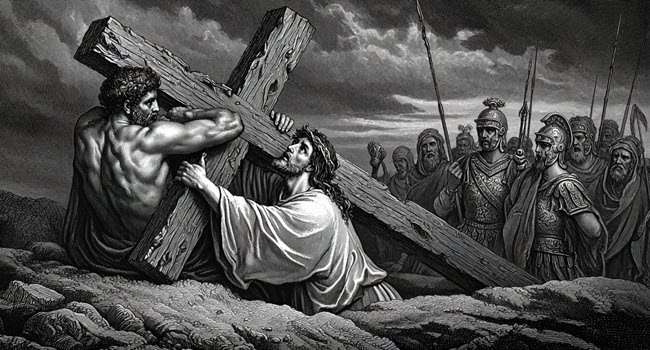
3. Isaiah 52 and the Suffering Servant
Isaiah 52 stands at a turning point in the book. It opens with a call for Zion to awaken and put on strength and beautiful garments (Isaiah 52:1–2). The prophet then announces the good news of God’s reign:
“How beautiful on the mountains are the feet of those who bring good news, who proclaim peace, who bring good tidings, who proclaim salvation, who say to Zion, ‘Your God reigns!’ … The Lord will lay bare his holy arm in the sight of all the nations, and all the ends of the earth will see the salvation of our God” (Isaiah 52:7, 10).
Paul quotes verse 7 in Romans 10:15 to describe the proclamation of the gospel of Christ.
The chapter then introduces the fourth and climactic Servant Song, beginning at Isaiah 52:13 and continuing through 53:12. This is one of the clearest and most detailed portraits of the Messiah’s suffering and exaltation in the entire Old Testament:
“See, my servant will act wisely; he will be raised and lifted up and highly exalted. Just as there were many who were appalled at him—his appearance was so disfigured beyond that of any human being and his form marred beyond human likeness—so he will sprinkle many nations, and kings will shut their mouths because of him. For what they were not told, they will see, and what they have not heard, they will understand” (Isaiah 52:13–15).
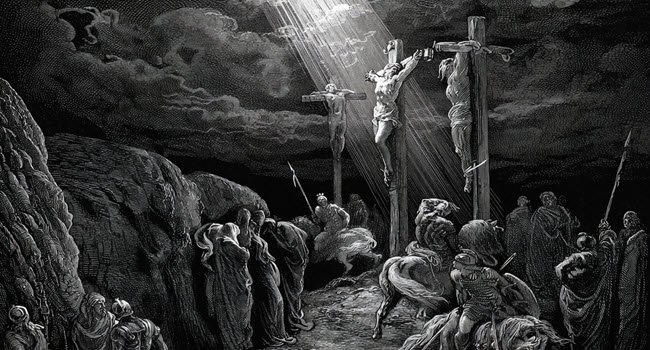
The Servant is first exalted, yet the path to that exaltation is extreme humiliation and disfigurement. The “sprinkling” of many nations points to a priestly, purifying work that reaches far beyond Israel. The song continues in chapter 53 with the Servant despised and rejected, a man of sorrows, pierced for our transgressions, crushed for our iniquities, silent before His accusers, assigned a grave with the wicked and with the rich in His death, yet ultimately seeing the light of life and justifying many because He bore their iniquities (Isaiah 53:1–12).
The New Testament writers repeatedly apply this passage to Jesus. Philip explained Isaiah 53 to the Ethiopian eunuch as speaking of Jesus (Acts 8:32–35). Peter writes that Christ “himself bore our sins in his body on the cross… by his wounds you have been healed” (1 Peter 2:24, quoting Isaiah 53:5). The Servant’s exaltation after suffering matches the pattern of Philippians 2:6–11: Christ humbled Himself to death on a cross and was therefore highly exalted.
Isaiah 52 thus proclaims both the announcement of God’s reign and the means by which that reign is established—through the wise, suffering, and ultimately exalted Servant, Christ Jesus.
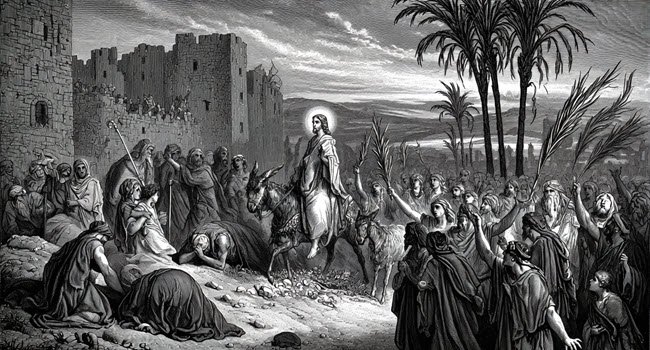
4. Survey of the Major Messianic Prophecies
Christian interpretation has long recognized a large body of Old Testament passages that find their fulfillment in Jesus. The following groups the most significant ones by theme, with representative verses and New Testament connections.
Lineage and birth
- Seed of the woman who will crush the serpent (Genesis 3:15).
- Descendant of Abraham through whom all nations are blessed (Genesis 12:3; 22:18; Galatians 3:16).
- From the tribe of Judah (Genesis 49:10).
- From the house and line of David (2 Samuel 7:12–16; Isaiah 11:1; Jeremiah 23:5).
- Born of a virgin: “Therefore the Lord himself will give you a sign: The virgin will conceive and give birth to a son and will call him Immanuel” (Isaiah 7:14; fulfilled in Matthew 1:22–23).
- Born in Bethlehem: “But you, Bethlehem Ephrathah, though you are small among the clans of Judah, out of you will come for me one who will be ruler over Israel, whose origins are from of old, from ancient times” (Micah 5:2; Matthew 2:5–6).
Character, titles, and ministry
- “For to us a child is born, to us a son is given, and the government will be on his shoulders. And he will be called Wonderful Counselor, Mighty God, Everlasting Father, Prince of Peace” (Isaiah 9:6–7).
- A light to the Gentiles and a covenant for the people (Isaiah 42:1–7; 49:6; applied to Jesus in Luke 2:32 and Acts 13:47).
- Anointed to preach good news to the poor, bind up the brokenhearted, and proclaim freedom (Isaiah 61:1–2; Jesus applies this to Himself in Luke 4:18–21).
- A prophet like Moses (Deuteronomy 18:15–19; Acts 3:22).
- Entering Jerusalem humbly on a donkey: “See, your king comes to you, righteous and victorious, lowly and riding on a donkey” (Zechariah 9:9; Matthew 21:4–5).
Suffering, death, and atonement
- The Suffering Servant of Isaiah 52:13–53:12 (detailed above).
- Pierced hands and feet, garments divided, mockery, and the cry of abandonment (Psalm 22, especially verses 1, 7–8, 16–18; quoted or alluded to in the crucifixion narratives).
- Betrayed for thirty pieces of silver (Zechariah 11:12–13; Matthew 26:14–15; 27:9–10).
- Pierced, and the house of David will mourn (Zechariah 12:10; John 19:37; Revelation 1:7).
- Numbered with the transgressors yet interceding for them (Isaiah 53:12; Luke 22:37).
Resurrection, exaltation, and eternal reign
- “You will not abandon me to the realm of the dead, nor will you let your faithful one see decay” (Psalm 16:10; applied to Jesus’ resurrection by Peter and Paul in Acts 2:25–32 and 13:35–37).
- Seated at God’s right hand: “The Lord says to my lord: ‘Sit at my right hand until I make your enemies a footstool for your feet’” (Psalm 110:1; the most frequently quoted Old Testament verse in the New Testament).
- The Son of Man receiving everlasting dominion (Daniel 7:13–14; applied by Jesus to Himself in the Gospels and by Stephen and others).
- Establishing an everlasting kingdom of righteousness and peace (Isaiah 9:7; 11:1–10; Daniel 2:44; 7:14).
Taken together, these prophecies form a coherent portrait: a royal descendant of David, born in Bethlehem of a virgin, anointed by the Spirit, rejected and suffering as a substitutionary sacrifice, raised from the dead, exalted to God’s right hand, and destined to reign forever. The New Testament writers consistently present Jesus as the One in whom all these strands converge.
Conclusion
From the first promise in Genesis 3:15 through the types of Adam, Melchizedek, Moses, David, the Passover lamb, and the Servant of Isaiah 52–53, the Old Testament steadily builds expectation for the Messiah. Isaiah 52 announces both the good news of God’s reign and the path of the Servant who is exalted only after profound suffering. The broader prophetic witness fills in the details of His birth, ministry, death, resurrection, and eternal kingship. Christ Jesus, the eternal Son of God—not an angel or messenger—is the One to whom these Scriptures point and in whom they find their fulfillment.