
The Parables of Jesus
The parables of Jesus remain among the most vivid and searching words ever spoken. When His disciples asked why He taught the crowds in this way, Jesus replied that the secrets of the kingdom of heaven are given to those who receive them, yet remain veiled from those whose hearts have grown dull (Matthew 13:10–17; Mark 4:10–12; Luke 8:9–10). Drawing on the prophecy of Isaiah, He made clear that these stories function as both revelation and judgment—opening the eyes of the humble while confirming the blindness of the resistant. Far from simple moral tales, the parables are carefully crafted vehicles of divine truth, disclosing the unexpected character of God’s reign: its quiet beginnings, its present mixture of good and evil, its supreme worth, and its certain final triumph.
The essays developed on each parable by Servant of Christ carefully explain all the allegories, metaphors, and spiritual correspondences contained within them. Where Jesus Himself provided the interpretive key—as in the Parable of the Sower and the Parable of the Weeds—these meanings are faithfully traced. In the other parables, the rich layers of imagery are unfolded with equal care, revealing how everyday pictures of farming, fishing, treasure-seeking, and household life become windows into the mysteries of the kingdom. Theological insight, biblical context, and practical application are woven throughout each study, so that the reader is not left with surface impressions but is led into a deeper grasp of what the Lord intended to convey.
Each page of the essays is offered as an invitation to slow down, listen carefully, and allow the Spirit to open the eyes of the heart. May every reader who reads these essays approach them with the same prayerful expectancy that marked the disciples when they asked Jesus for understanding. For those who have ears to hear, the parables still speak with living power—revealing the King, clarifying the nature of His reign, and calling us to respond with faith, repentance, and wholehearted devotion.

Theological essay on the Parable of the Sower (Matthew 13, Mark 4, Luke 8): four soils, the word of God, and fruit that lasts.

The Parable of the Weeds (Matthew 13): wheat vs tares, why both grow until harvest, and what God’s final judgment means.

The Parable of the Mustard Seed -The kingdom of God does not arrive as a spectacle. It arrives as something easily overlooked—and then it outgrows the garden.
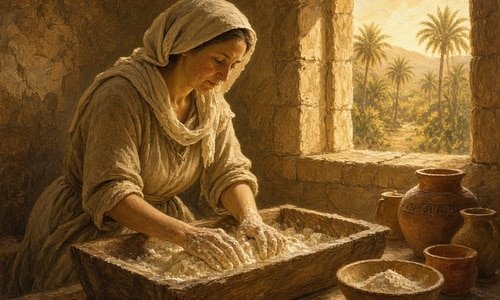
Parable of the Leaven (Matthew 13:33; Luke 13:20-21): theological essay on the kingdom’s small start and complete inward change.
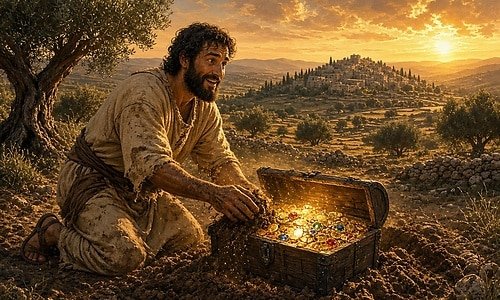
The Parable of the Hidden Treasure (Matthew 13:44) reveals a hidden kingdom found in joy—worth selling everything to possess it.

The Parable of the Pearl of Great Value (Matthew 13:45-46) reveals a hidden kingdom found in joy—worth selling everything to possess it.
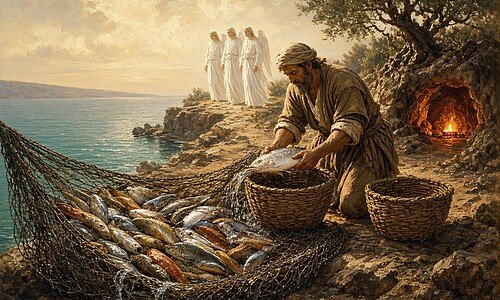
The Parable of the Net (Matthew 13:47-50): a theological essay on the kingdom’s gathering, the mixed church, and final judgment.

The Parable of the Lost Sheep: meaning in Matthew 18 & Luke 15—God seeks the one, heaven rejoices, none perish.
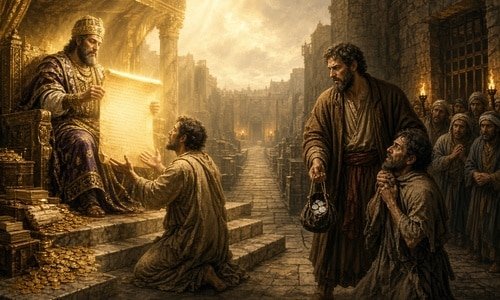
The Parable of the Unforgiving Servant, Matthew 18:23–35: God’s vast mercy demands heart-forgiveness, or the race of faith is lost.
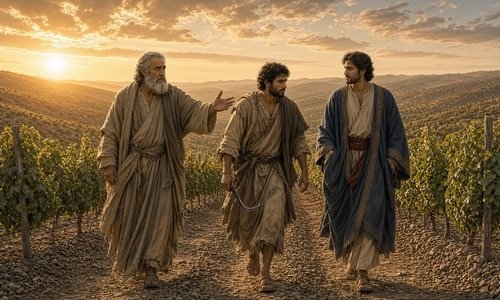
Parable of the Two Sons (Matthew 21:28-32): Jesus shows repentant obedience entering God’s kingdom before empty religion today.

Parable of the Tenants explained: Jesus’ vineyard in Matthew 21, Mark 12 & Luke 20—rejected Son, cornerstone, kingdom fruit.
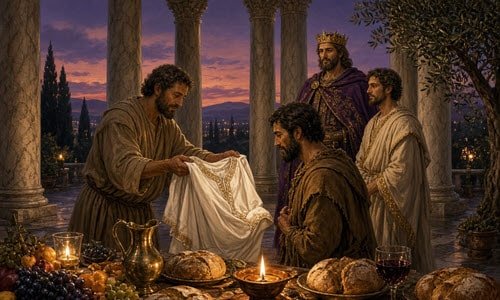
Parable of the Wedding Feast: Matthew 22 & Luke 14 on God’s banquet, refused guests, grace, judgment, and the wedding garment.

Your content goes here. Edit or remove this text inline or in the module Content settings. You can also style every aspect of this content in the module Design settings and even apply custom CSS to this text in the module Advanced settings.
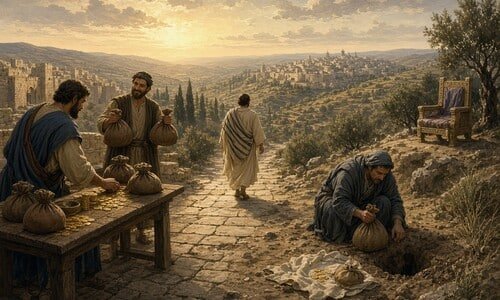
The Parable of the Talents and the Minas: Faithful in a Few Things—Matthew 25 & Luke 19 on stewardship, delay, and the King who rewards faith, not fear.
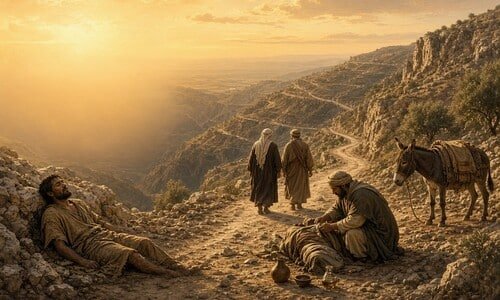
Theological reading of Luke 10:29–37. “Who is my neighbor?” What the Good Samaritan Parable reveals about mercy, and how the parable still confronts us.
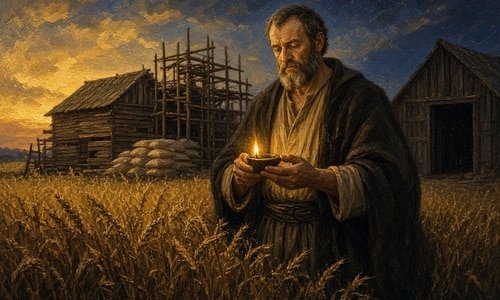
The Parable of the Rich Fool. He counts on years God has not promised and goods he cannot keep. Life is loaned. Only what is given to God lasts.
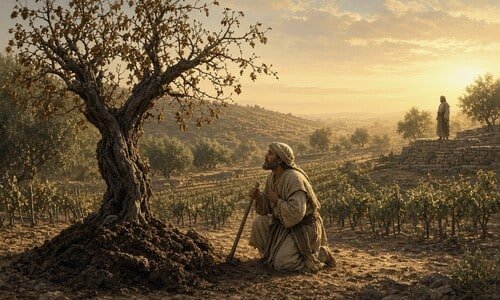
The Parable of the Barren Fig Tree (Luke 13:6–9): Jesus’ warning on fruit, repentance, God’s patience, and one more year of mercy.
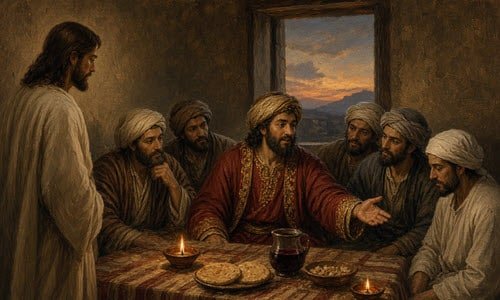
Parable of the Wedding Feast (Luke 14:7-11): take the lowest seat. Those who exalt themselves are humbled; God exalts the humble.
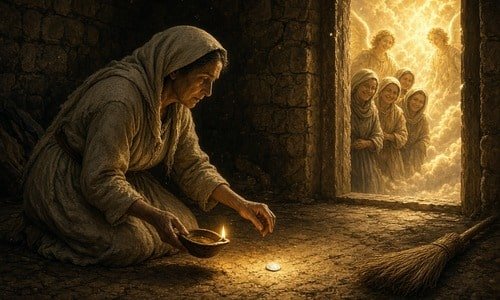
The Parable of the Lost Coin (Luke 15:8-10): God seeks the lost, lights a lamp, and heaven rejoices over one repentant sinner.
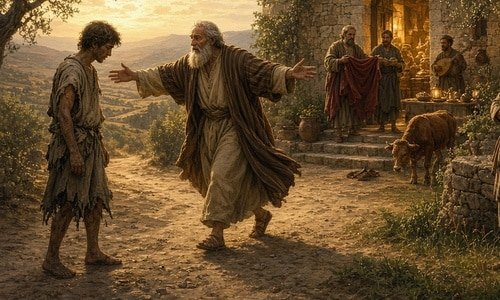
Parable of the Prodigal Son (Luke 15:11–32): a theological essay on the Father’s grace, two lost sons, and heaven’s joy.
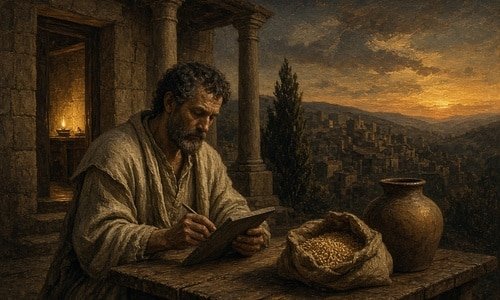
Theological essay on Luke 16:1–9: Jesus’ Parable of the Dishonest Manager—stewardship, mammon, moral failure, and the eternal account.

Theological essay on the Parable of the Rich Man and Lazarus (Luke 16:19-31): setting, context, observations, and conclusion.

The Persistent Widow in Luke 18:1-8: Jesus teaches always pray, do not lose heart. God will grant justice; will He find faith?
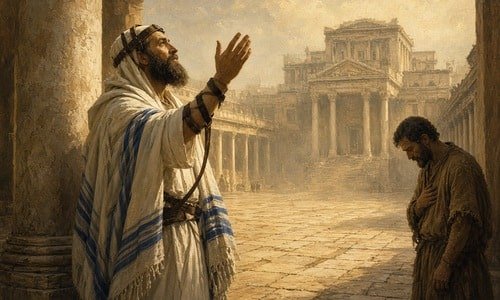
The Parable of the Pharisee and the Tax Collector (Luke 18:9–14): pride boasts, mercy begs; only the humble sinner goes home justified by his God.