
Servant of christ
Why the World Hates?
Foreword
Why the World Hates?

The title of this essay is deliberately stark. “Why the world hates” is not a sociological survey or a cultural complaint; it is a theological diagnosis drawn from the plain language of Scripture. The Bible does not treat the world’s hostility as an unfortunate misunderstanding that better public relations might resolve. It presents that hostility as a settled, moral, and spiritual reality—rooted in the fall, exposed by the coming of Christ, and extended to all who belong to Him.
This is not written to cultivate bitterness or to justify retaliatory anger. On the contrary, the same Scriptures that describe the world’s hatred also command the followers of Jesus to love their enemies, bless those who curse them, and overcome evil with good. The purpose here is understanding. Only when we grasp the depth of the conflict can we avoid two equal and opposite errors: the naïve expectation that the world will eventually approve of genuine Christian faithfulness, and the cynical withdrawal that treats every form of opposition as proof that love has failed.
What follows is an attempt to dig beneath the surface of that conflict—examining the nature of the world as the New Testament presents it, the world’s deep-seated resentment of the Creator, the concentrated hatred that met the Son of God, the continuing hostility directed at His people, and the final word that Scripture speaks over all of it. The analysis is unapologetically biblical. It assumes the authority of the text and seeks to let that text interpret both history and the human heart.

1. The Nature of the World
In the language of the New Testament, especially in the writings of John, “the world” (kosmos) is more than the physical creation or the sum of human societies. It is an ordered system of values, desires, and allegiances that stands in settled opposition to God. John writes with precision: “Do not love the world or the things in the world. If anyone loves the world, the love of the Father is not in him. For all that is in the world—the desires of the flesh and the desires of the eyes and pride of life—is not from the Father but is from the world. And the world is passing away along with its desires” (1 John 2:15–17).
This world is temporary, yet it is not inert. It is under the dominion of “the ruler of this world” (John 12:31; 14:30; 16:11), whom Paul calls “the god of this world” who blinds the minds of unbelievers (2 Corinthians 4:4). Its atmosphere is darkness that prefers itself to light (John 3:19–20). Its wisdom is foolishness with God (1 Corinthians 1:20–21). Its peace is a false peace that cannot endure the presence of the Prince of Peace.
The world is therefore not neutral ground. It is a rival kingdom, animated by the same spirit of self-exaltation that first appeared in the garden and later organized itself at Babel. It rewards those who conform to its pattern and marginalizes or destroys those who refuse. Its deepest characteristic is not ignorance of God but active suppression of the truth that is already known (Romans 1:18–21). The world knows enough of the Creator to be without excuse; it simply prefers the autonomy of the world.

2. Why God’s Creation Hates the Creator
The hostility of the world toward the Creator is not an intellectual puzzle; it is a moral revolt. Paul states the matter with clinical clarity: “The mind that is set on the flesh is hostile to God, for it does not submit to God’s law; indeed, it cannot. Those who are in the flesh cannot please God” (Romans 8:7–8). Hostility is the natural posture of the unregenerate heart.
It all goes back to the original temptation in Genesis 3:5. “You will be like God.” Autonomy is the prize. The Creator’s absolute ownership, His sole right to define good and evil, and His call to grateful dependence are felt as intolerable constraints. In response, the world fabricates rival sources of meaning—idols of nation, ideology, pleasure, achievement, or self-invention—and transfers to them the loyalty that belongs to God alone.
This hatred is not always conscious or violent. Often it appears as polite indifference, selective admiration of a domesticated “God” who never contradicts cultural orthodoxy, or open contempt for any revelation that judges human desire. Yet the underlying dynamic remains the same: the world resents the light that exposes its works. The more clearly the holiness of God is revealed, the more fiercely the pride of the flesh resists it. The Tower of Babel, the golden calf, the repeated apostasies of Israel, and the modern insistence that the self is the final authority are all expressions of the same ancient enmity.
3. The Hatred Towards Christ
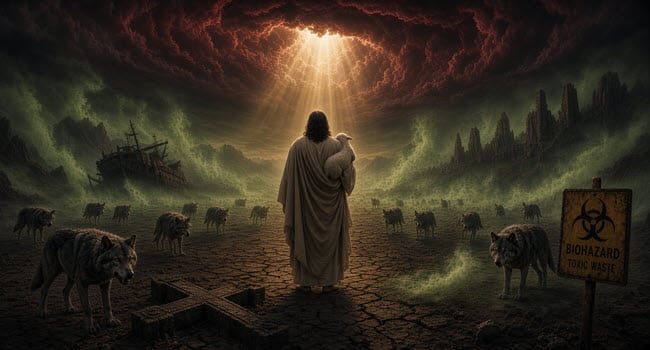
When the eternal Son entered the world He had made, the conflict reached its sharpest point. “He was in the world, and the world was made through him, yet the world did not know him. He came to his own, and his own people did not receive him” (John 1:10–11). The world’s response to perfect light was not curiosity or measured disagreement; it was murderous rejection.
Jesus Himself diagnosed the reason: “The world hates me because I testify about it that its works are evil” (John 7:7). His presence condemned the religious establishment’s self-righteousness, the political authorities’ pragmatic injustice, and the crowds’ fickle hunger for spectacles rather than repentance. The trial of Jesus reveals the united front of the world’s powers—religious, political, and popular—against the Holy One of God. False witnesses, cynical expediency (“It is better for you that one man should die for the people”), mockery, scourging, and the cross itself were the world’s considered answer to the incarnation.
The offense of Christ is still the offense of the cross. A suffering Messiah who claims exclusive lordship, who forgives sins that the world does not acknowledge as sins, and who demands the death of the old self remains intolerable. As Paul observed, the message of the cross is folly to those who are perishing (1 Corinthians 1:18). The world’s hatred of Christ is therefore not a historical accident of first-century politics; it is the inevitable collision between absolute light and a world that loves darkness.
4. The Hatred Towards His Followers
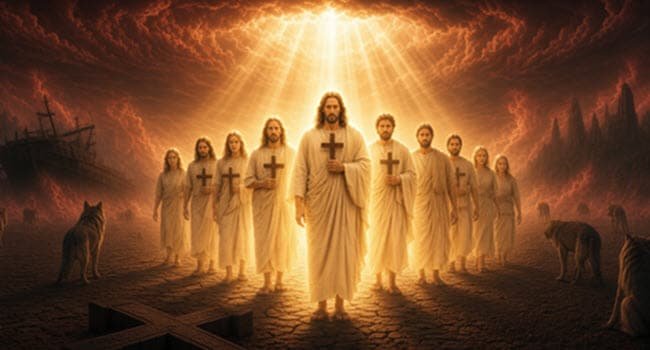
Jesus left His disciples under no illusions: “If the world hates you, know that it has hated me before it hated you. If you were of the world, the world would love you as its own; but because you are not of the world, but I chose you out of the world, therefore the world hates you” (John 15:18–19). Identification with Christ transfers the world’s hostility onto His people.
The historical record is consistent. The apostles were beaten, imprisoned, and killed. Early Christians faced false charges—such as rejecting the gods of the empire, refusing emperor worship, and undermining social unity—simply because they would not join the religious and political system of their day. This same pattern has appeared again and again under different names: imperial Rome, revolutionary France, Soviet communism, and various modern ideologies that demand total loyalty. Wherever the church refuses to give to human authority what belongs only to God, conflict follows.
The deeper reason is spiritual. The Holy Spirit’s presence in the church reveals the world’s sin, God’s righteousness, and coming judgment (John 16:8). When a community values different things, calls certain popular desires wrong, and points to a future judgment, the world feels deeply threatened. This hatred can appear as violent persecution, or in quieter ways like social exclusion, job penalties, and cultural mockery. Either way, the root is the same: the world sees in Jesus’ followers a living reminder of the One it rejected.
5. Conclusion on Hate
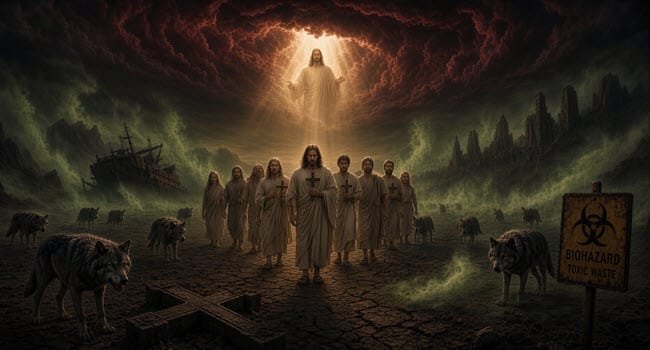
The world’s hatred toward God is real, deep, and long-lasting. It comes from three things: the world’s refusal to live under God’s authority as His creation, the natural human opposition to what is holy, and darkness’s preference for itself. This hatred was fully directed at the Son of God and continues today against everyone who belongs to Him. No amount of cultural compromise will ever remove it, because the real conflict is not cultural—it is spiritual and moral.
Yet the Bible does not end with hatred. The same God who clearly sees the world’s hostility is the God who “so loved the world that he gave his only Son” (John 3:16). The cross shows both human hatred and God’s love that takes that hatred upon Himself and overcomes it. The resurrection proves that the world’s judgment has been reversed. The risen and ascended Christ now rules, prays for His people, and will one day return to judge the living and the dead and to make everything new.
Until that day, the church is called neither to surprise nor to bitterness. “Do not be surprised, brothers, that the world hates you” (1 John 3:13). Instead, believers are to endure with patience, to love without compromise, and to bear witness to the light that the darkness has not overcome and never will. The hatred of the world is temporary. The love of God is eternal.